
[Part two of “Disintegration”]
[Note: This is not a happy edition of my blog. It is much more personal and has a lot to do with the past. Having said that, I will remind you that today, all is well].
“Tried to save a place from the cuts and the scratches
Tried to overcome the complications and the catches
Nothing ever grows and the sun doesn’t shine all day
Tried to save myself but myself keeps slipping away”
Nine Inch Nails “Into the Void”
Prologue
You can’t erase the past, and really, what would happen if you tried to change it? You would not be who you are today. I think because of my experiences with bipolar depression I have become a little more compassionate, a tad wiser, and a little less quick to judge. On the other hand, even with the specter of mental illness misdirecting your thinking, you do have to own up to things. I have made many mistakes. Some of them were huge and fueled by pain, desperation, and cognitive distortion. This doesn’t change the fact that I was the one making those decisions. Today, I try to live a much better life…
***
When the mania emerged, I discovered I had several unwelcome companions: anger, racing thoughts, a touch of paranoia, grandiose thinking and euphoria were a few of them. Burning white-hot, I stowed the anger like a stone in the pit of my stomach; the negative thoughts calcified one on top of another until I could no longer contain them. I felt as though, if contested, I could beat up three big, burly men. Accompanying this overwhelming feeling was an excessive amount of energy which I needed to channel somewhere. With a hard, determined look on my face, I would plunge into my work. Sometimes I would stay up at night burning the proverbial candle at both ends. Additionally, my mind bombarded itself ferociously with questions, ideas, rumination, and worries. It wasn’t so much that these thoughts occurred rapidly, it was more like they were overlapping and constant. I just wanted them to stop.
Although it may seem as though all I did was feel bad, there were times when I felt really good, extraordinarily so. I would talk glibly, laugh and joke, act goofy, and generally be un-me. My ideas were amazing! Why hasn’t anyone thought of this? I could accomplish so much! I’m totally gonna be a rock star, yeah! And so forth. The mental filter was conspicuously lacking. Sometimes this came out in the things I said which hurt people around me. Afterwards, I would crash, and all the hallmarks of depression returned.
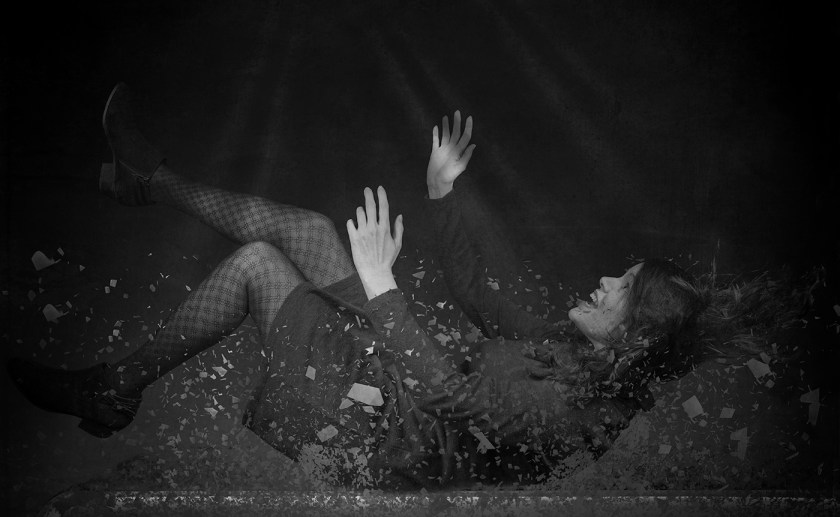
My sleep was completely dysregulated: I could snooze for 13 hours a day and still feel utterly exhausted. Outwardly, I would manage to pull together some semblance of a functional human being and do things like scrub the dishes, clean the house, visit with various acquaintances, and go to work. This doesn’t mean the marrow of the matter was completely hidden; it was seeping through the cracks. Turning inward, I would retreat to a quiet spot and numbly ruminate while cutting at my fingers. At some point I would notice they were bleeding painfully and would cry over having done this to myself1.
Remember at the end of Part One where I told you I heard something that wasn’t there? This problem worsened as time went on. I began hearing people saying negative things about me down the hall from the lab. Wondering who they were, I would look out of the doorway and check, but often no one was there. Apparently, from what I have read, others afflicted with this problem do the exact same thing. Eventually, you figure out that what you are hearing is not real, and further, that it has a certain quality to it that is not present when you are actually hearing something. How does this happen? Although I don’t have a scientific answer on hand, I suspect it has to do with the levels of dopamine in your brain. It seems like bipolar hallucinations are an upwelling of what lies in your subconscious. In other words, if you have a low self-esteem and worry about what people think of you, your brain will generate that in some sort of “verbal tinnitus.” Unfortunately, confessing this tends to earn you a label of “crazy.” But…if you are aware of what is happening, can you truly be insane? Also, consider that this phenomenon apparently occurs in healthy individuals2, although the hallucinations in those particular cases are positive in nature. To a person with bipolar disorder, the symptoms I previously mentioned are pretty distressing.
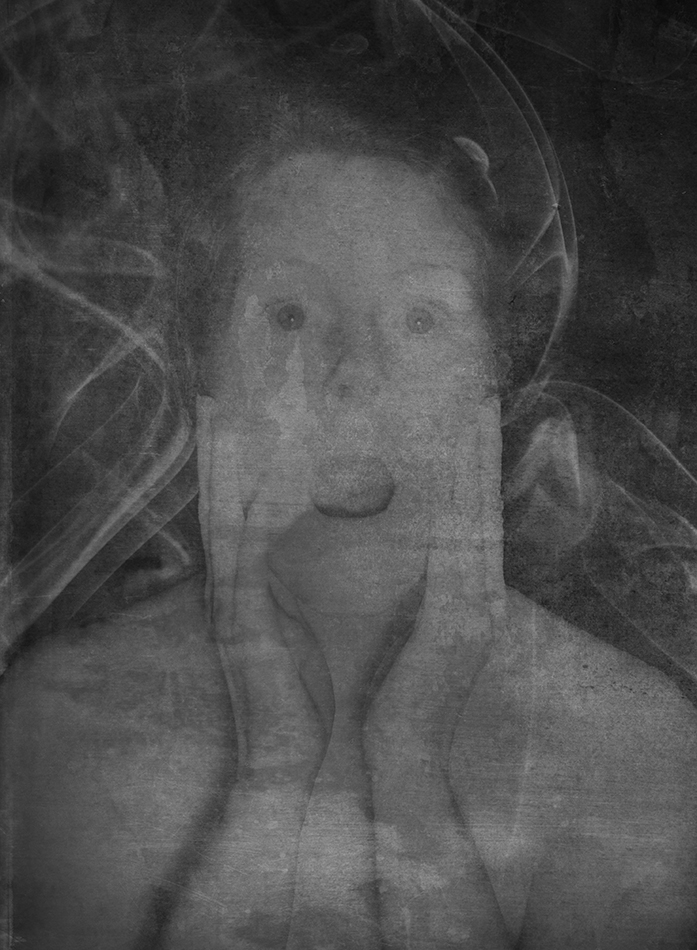
The turning point came when a different psychiatrist promptly diagnosed me with Bipolar Disorder Type I. On some level, I was very relieved to find an explanation for my unusual thinking and behavior. On the other hand, I had a tendency to repeat the mantra “I’m broken.” Contrary to public perception medications don’t work overnight. Sometimes you have to find the right combination that yields the most benefit, and this can change over time. In addition, you really do have to find your way back to normal; it can take quite a while. There are many good habits you need to acquire in order to be healthy. Ten years down the road, though, life for me is looking pretty good. Do you know the quotation that says, “The strongest steel is tempered by the hottest fire?” I think that applies to living with bipolar. It is excruciating while you are in the throes of it, but remission does give you some perspective. It is my hope that this blog post has enlightened some, encouraged others, and mostly let sufferers of mental illness know that they are not alone.

1Reference http://www.mayoclinic.org/diseases-conditions/self-injury/home/ovc-20165425




 Slice of Life